About Me
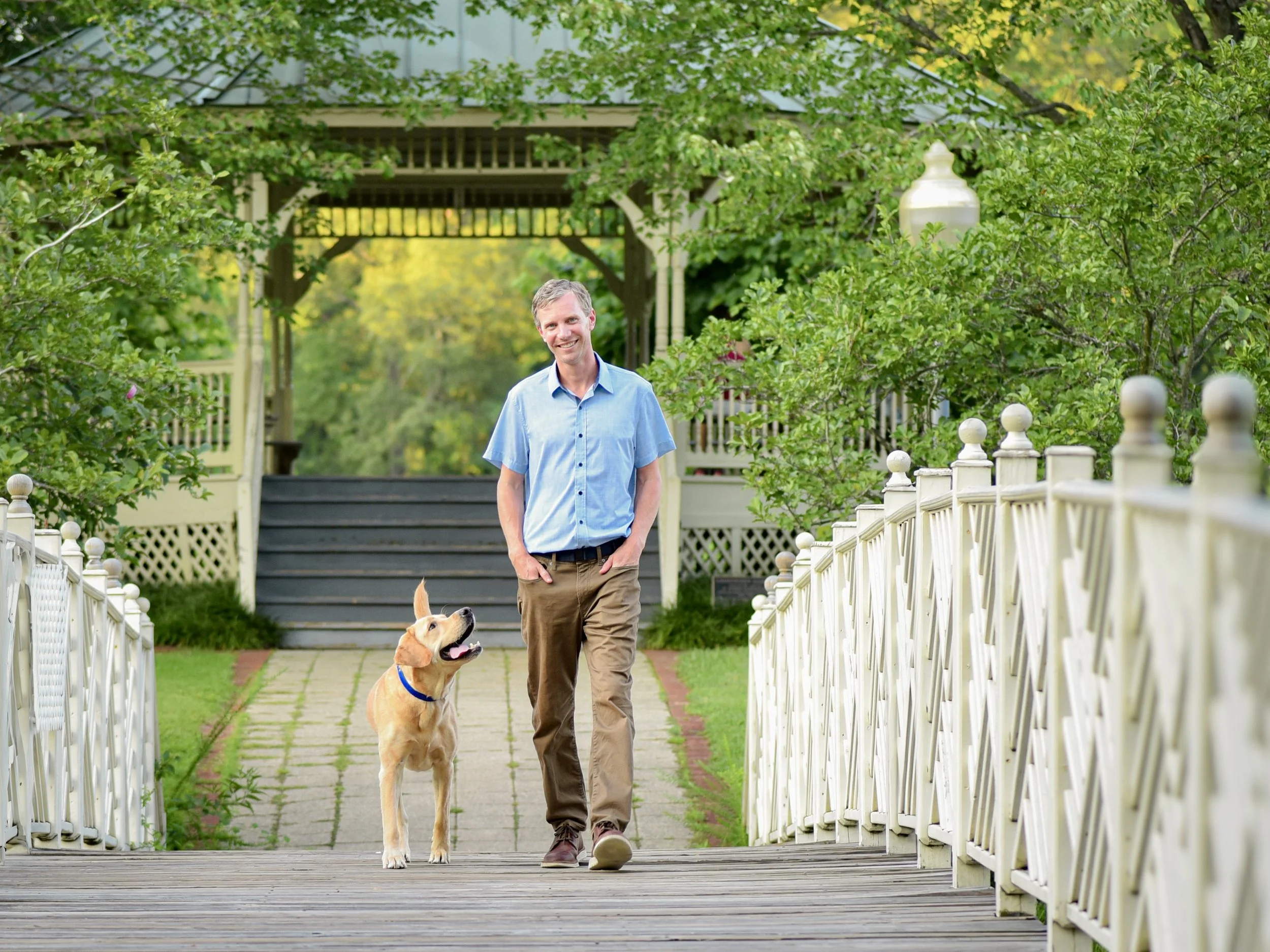
I didn’t always know I was going to become a therapist. In some ways, I found my way here by continuing to follow what interested me, challenged me, and felt meaningful. What started as one possibility among many gradually became work I genuinely love.
A big part of what keeps me here is curiosity. People fascinate me. We can be remarkably similar and endlessly different at the same time—connected by so many of the same needs, struggles, and hopes, yet shaped by experiences that are entirely our own. After years of doing this work, I’m still surprised by people, still learning, and still excited by what can become possible when something begins to shift.
I’ve also come to appreciate just how meaningful the relationships formed through this work can be. Early in my career, I was introduced to the idea that helping others is a teaching and learning journey: we may offer something to another person, but we are inevitably changed by the encounter, too. That has stayed with me. I bring years of experience into the room, but I continue to learn from the people who trust me enough to let me into their lives.
As I’ve grown as a therapist, I’ve also become more comfortable bringing my own humanness into the work. I don’t want to be a blank slate or a therapist who hides behind the role. I’ll laugh with you, wonder aloud, and sometimes be genuinely moved by what happens between us. When something I’m noticing or feeling seems important, I may name it—not because my experience is the answer, but because it gives us one more thing to be curious about together.
For me, that’s part of what makes this work so meaningful. I get to show up as myself, keep learning, and spend my days in real conversations with people who are trying to understand themselves, heal, grow, and find their way forward. It’s a privilege I don’t take lightly.
Why Inner Compass?

The name Inner Compass reflects something I’ve come to believe deeply: there is an inherent wisdom and movement toward healing within each of us. We don’t always know exactly where we’re going, and there isn’t one right path to get there, but there is often something within us that senses what we need and the direction we want to move.
Of course, that compass can get harder to hear. Experience shapes us. We learn what to expect, how to protect ourselves, what feels safe, and what doesn’t. The patterns that develop along the way can sometimes leave us feeling stuck, disconnected, or moving in directions that no longer fit the lives we want to live.
That’s why one of the ideas I return to again and again is that our responses make sense in the context of our experiences. Rather than asking, “What’s wrong with me?” I’m much more interested in “What have I experienced that might help me understand why this keeps showing up?” Even the parts of ourselves we struggle with often developed for a reason. Approaching them with curiosity rather than judgment can open the door to something different.
I also believe that variation is the norm. We share so much simply by being human, and yet no two people, nervous systems, histories, or paths are exactly alike. Frameworks can help us understand ourselves, but they should never become boxes we have to fit into.
To me, following an inner compass isn’t about having all the answers. It’s about learning to listen more closely to ourselves, becoming curious about what we find, and creating enough space for new possibilities to emerge. Therapy can help with that—but ultimately, the compass is yours.
My Professional Path

My career in mental health began long before I became a therapist. I spent about 15 years working in foster care and adoption, supporting children and families whose lives had been profoundly shaped by early experiences, relationships, loss, and trauma. That work changed the way I understood people—and taught me lessons about resilience, connection, and the importance of planting seeds even when we may never know how they grow.
Along the way, a mentor encouraged me to return to school for my Master of Social Work and pursue clinical licensure. I began providing therapy to children in foster care while earning my clinical hours, and when my wife and I moved from Charlottesville to Annapolis in 2022, I stepped into full-time therapy work for the first time.
That transition opened a new chapter for me. I began working as a psychotherapist at St. John’s College and, not long after, opened Inner Compass Counseling & Wellness. Private practice gave me the freedom to work with a broader range of adults, offer longer and more flexible sessions, and continue developing a way of practicing that increasingly felt like my own.
Over the years, I’ve been drawn more and more toward experiential approaches—ways of working that help us do more than simply understand ourselves intellectually. EMDR became an important foundation, and my curiosity has continued to lead me into Brainspotting, somatic therapy, parts work, Coherence Therapy, affective neuroscience, memory reconsolidation, and other ways of understanding how our brains, bodies, relationships, and experiences shape who we become.
I don’t consider that learning finished. One of the things I love most about this field is that there is always another question to ask, another perspective to consider, and another opportunity to grow.
Beyond The Therapy Room
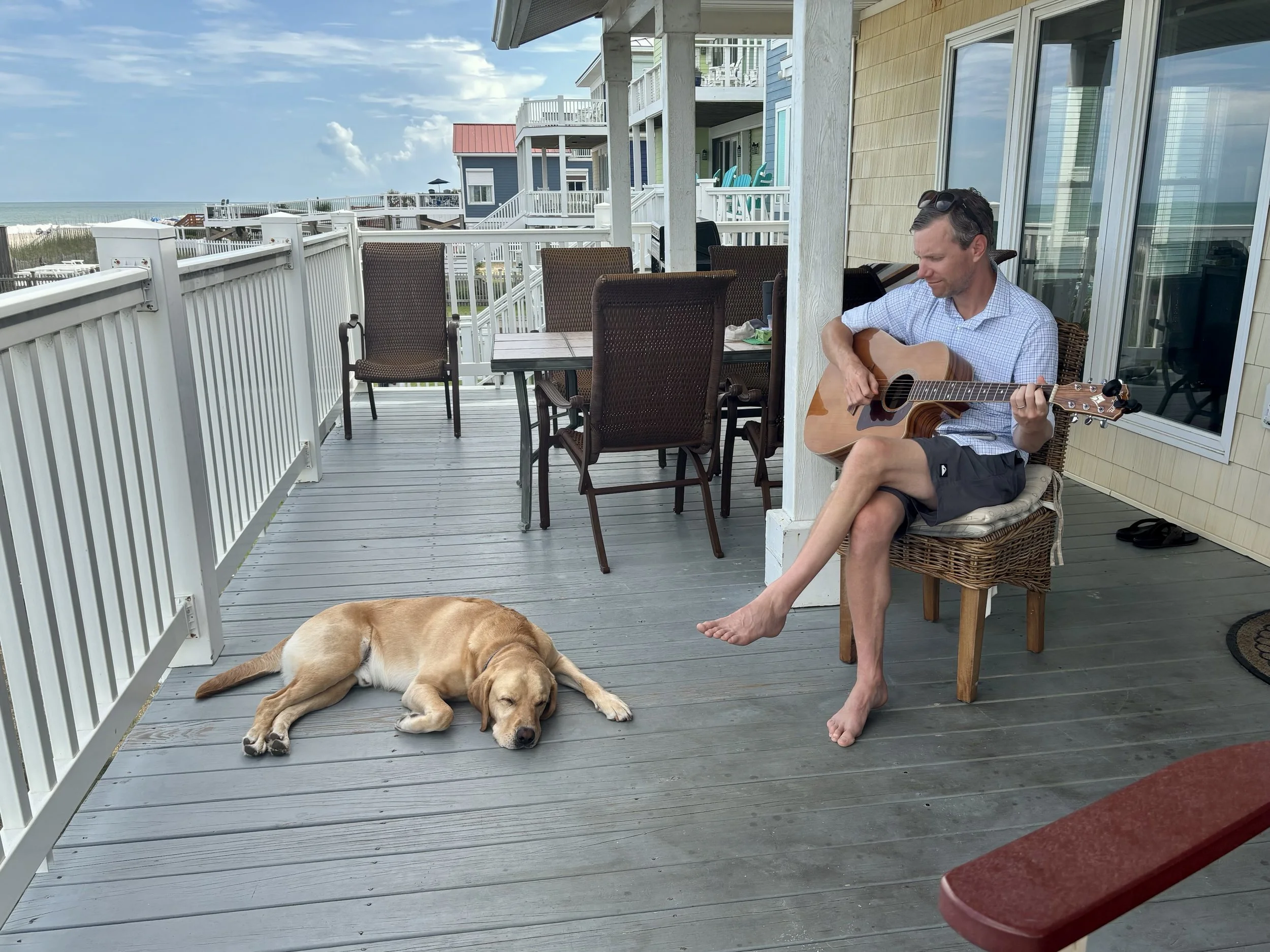

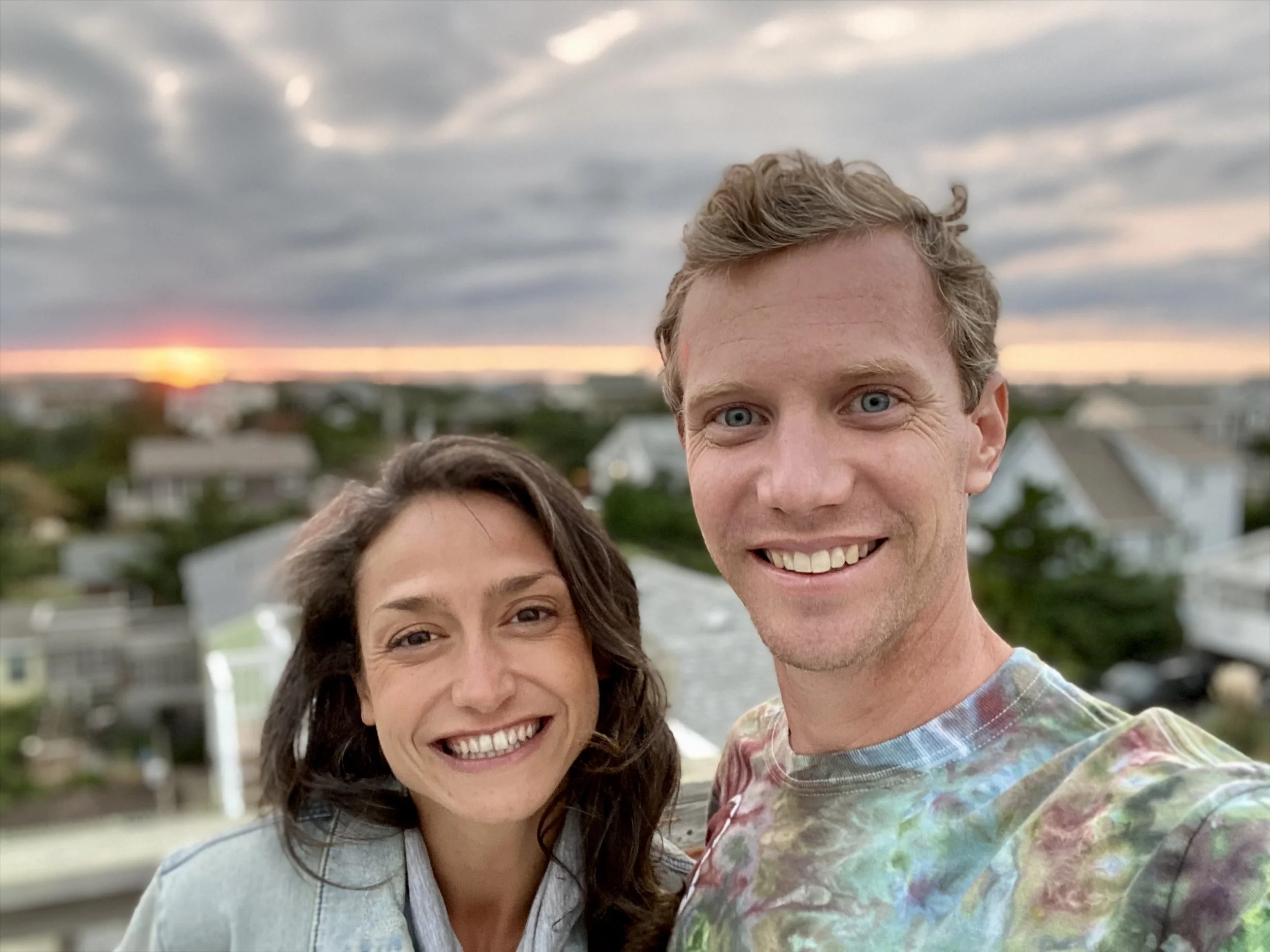
Outside of work, I’m usually happiest doing something that gets me outside, brings me together with people I care about, or gives me something new to explore.
Music is a pretty constant soundtrack to my life. If I’m not listening to it, I’m often playing guitar—and lately, even getting brave enough to take it to an open mic. I love concerts, hiking and walking with Buddy, kayaking, traveling, and spending an unhurried evening on the porch with family or friends. I’m drawn to meaningful time with a smaller group of people, although I’m also usually the one planning the next trip or finding something new for us to try.
I share much of that life with my wife, whom I met when I was 20, and with Buddy, our very social Golden Labrador. My wife and I have been together for more than two decades, while Buddy joined the family somewhat later and has done his best to make up for lost time.
Buddy is also my co-worker. He’s a certified facility dog who joins me both at Inner Compass and at St. John’s College, where his weekly “office hours” have developed a following of their own. In therapy, he has a way of bringing joy, warmth, and an endless supply of wiggles into the room.
These days, I find myself wanting to create, explore, and say yes a little more often—to a new project, a new place, or an unexpected opportunity. I don’t know exactly where all of it leads, and I think I’m becoming increasingly okay with that. There’s something worthwhile about being rooted in the life you’ve built while staying curious about what might still be ahead.
Licensure & Education
Licensed Certified Social Worker – Clinical (LCSW-C)
Maryland Board of Social Work Examiners
Licensed Clinical Social Worker (LCSW)
Virginia Board of Social Work
Master of Social Work (Clinical Concentration)
Virginia Commonwealth University - Richmond, VA
Bachelor of Arts in Sociology
University of Maryland - College Park, MD
Selected Training
Eye Movement Desensitization and Reprocessing (EMDR)
EMDRIA Approved Basic Training
EMDRIA Certified Therapist
Brainspotting
Phase 1 Training
Phase 2 Training
Master Class Training
Coherence Therapy
Level 1 Training
Somato Symbolic Processing (SSP)
The Body In Mind: A Somatic Integration and Processing Advanced Training
Think we might be a good fit?
Finding the right therapist matters. If something you’ve read here resonates, I’d be glad to connect, hear a little about what brings you to therapy, and see whether working together feels like a good fit.